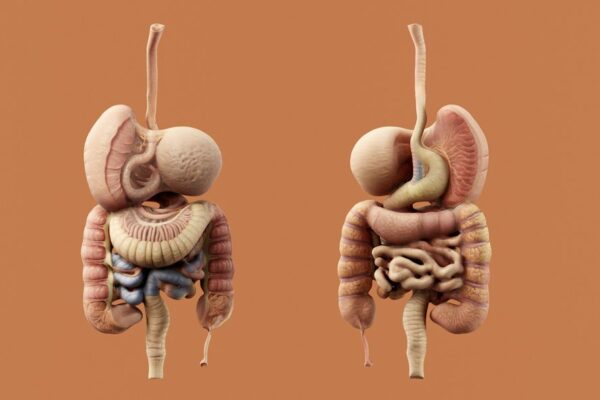

Cannabis can affect the body through several consumption methods, but edible products follow a distinct biological pathway. Thc edibles are processed through digestion before their active compounds reach circulation, which helps explain their delayed onset and potentially extended effects. Understanding these characteristics provides useful context for anyone researching how edible cannabis interacts with physical functions, perception, mood, and everyday activities.
What’s Covered
- How does digestion influence cannabis effects?
- Why is patience important with edibles?
- What does THC do in the body?
- What mental effects may occur?
- Can edibles influence physical coordination?
- Why can the experience feel different from smoking cannabis?
- Are there factors that change the experience?
- What safety considerations matter most?
- What should readers remember?
How does digestion influence cannabis effects?
When an edible is consumed, the digestive system begins breaking down the food or beverage. THC then passes through the gastrointestinal tract before being processed by the liver.
This pathway differs from inhalation, where cannabinoids enter the bloodstream through the lungs. Because digestion and metabolism take time, edible effects can develop gradually rather than immediately.
Why is patience important with edibles?
The delayed nature of edible cannabis can make it difficult to judge the eventual intensity of its effects. Someone may initially feel little or no change and mistakenly assume that the product has not taken effect.
However, the digestive process continues even when noticeable sensations have not appeared. This is why understanding the delayed nature of edibles is important for responsible decision-making.
What does THC do in the body?
THC interacts with cannabinoid receptors that are part of the endocannabinoid system. This system participates in several physiological processes, including appetite, mood, memory, and sensory perception.
The interaction can affect how a person experiences their surroundings and responds to ordinary activities. Physical and psychological responses can differ substantially among individuals.
What mental effects may occur?
THC can influence attention, memory, perception, mood, and coordination. Some people may experience relaxation or changes in sensory awareness. Others may feel anxious, distracted, confused, or uncomfortable.
Individual reactions can depend on previous cannabis experience, personal sensitivity, current mood, metabolism, and the surrounding environment.
Can edibles influence physical coordination?
Yes. Intoxicating cannabis can reduce reaction speed and affect coordination. These changes may not always be obvious to the person experiencing them.
For that reason, driving, cycling in traffic, operating machinery, or performing tasks requiring precise judgment should be avoided when impaired.
Why can the experience feel different from smoking cannabis?
The body processes THC differently depending on how it enters the system. With an edible, digestion and liver metabolism influence the resulting experience. This can produce a slower beginning and a more extended period of effects.
The difference is biological rather than simply a matter of personal preference.
Are there factors that change the experience?
Individual metabolism, digestive activity, tolerance, food intake, product formulation, and personal sensitivity can all influence the experience. These variables help explain why two people may respond differently to similar edible products.
Age and general health can also be relevant considerations.
What safety considerations matter most?
People should read product information carefully and avoid combining intoxicating cannabis with alcohol or other substances that may increase impairment. Cannabis should also be kept securely away from children and pets, because accidental consumption can create serious concerns.
People who take prescription medicines or have ongoing health concerns should seek professional medical advice before using cannabis.
What should readers remember?
Edible cannabis has a distinctive effect profile because THC is absorbed through digestion and processed by the liver. Delayed effects, altered perception, and prolonged impairment are important characteristics to understand.
A clear knowledge of how the body handles THC can support more informed decisions and reduce the likelihood of misjudging the experience. Education remains one of the most useful tools for approaching cannabis responsibly.
The Short Version
- THC edibles are processed through digestion, which leads to delayed onset and potentially extended effects compared to other consumption methods.
- When consuming an edible, THC passes through the gastrointestinal tract before being processed by the liver, affecting the timing and intensity of its effects.
- The interaction of THC with cannabinoid receptors can influence physiological processes such as appetite, mood, memory, and sensory perception.
- Individual responses to THC can vary based on personal factors like previous cannabis experience, sensitivity, and the environment.
- Safety considerations for cannabis include avoiding use in combination with alcohol, keeping products secure from children and pets, and seeking medical advice if there are ongoing health concerns.