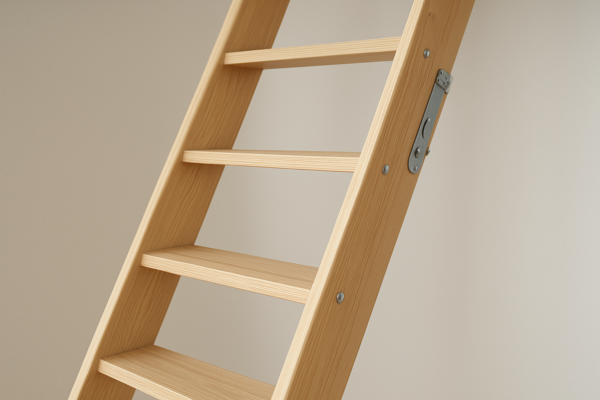

What Defines an Elegant Wooden Loft Ladder Design?
Home improvement decisions increasingly focus on combining functionality with attractive interior details. A wooden loft ladder can provide convenient access to overhead storage while introducing a natural finish that works well with many UK property styles. From period houses to recently renovated apartments, homeowners can select designs that complement existing materials without sacrificing essential safety or efficient use of space.
Which Timber Characteristics Matter Most?
Timber quality influences appearance, durability, and maintenance requirements. Homeowners should look for consistent construction, well-finished surfaces, secure joints, and materials appropriate for the intended application.
Different finishes can produce different visual effects. Lighter timber may complement minimalist interiors, while deeper tones can suit traditional rooms with darker furniture. Nevertheless, colour should remain secondary to construction quality, load capacity, and compatibility with the loft opening.
Manufacturers should provide clear information about materials, dimensions, and care instructions. These details make it easier to compare products on a consistent basis rather than relying entirely on photographs or promotional descriptions.
How Do Folding and Sliding Designs Compare?
Folding models typically divide into sections that fold away when not required. They can be useful where storage access is occasional and floor space is limited.
Sliding designs extend and retract along a controlled path. Depending on the mechanism, they may offer a straightforward solution for properties with sufficient vertical and horizontal clearance.
Neither configuration suits every home. Measurements should account for the hatch opening, ceiling height, floor space beneath the ladder, and the movement required during operation. A model that looks compact when stored may need considerable room when fully extended.
What Do Home Measurement Statistics Tell Us?
There is no single set of measurements that applies to every UK loft. Ceiling heights, roof structures, hatch positions, and available landing areas vary between properties. National housing statistics can provide context about the housing stock, but individual measurements remain essential when selecting access equipment.
Homeowners should record the hatch’s length and width, floor-to-ceiling height, and clearance available for deployment. They should then compare those figures with the manufacturer’s installation specifications. This simple measurement-based approach is more reliable than selecting a ladder solely because it resembles a model installed elsewhere.
Can Wooden Designs Complement Contemporary Interiors?
Yes. Contemporary wooden ladders can feature clean lines, restrained finishes, and compact folding mechanisms. These characteristics allow them to complement modern interiors without introducing unnecessary visual complexity.
In traditional properties, a natural timber finish may coordinate with exposed beams, wooden doors, or established decorative features. The key is to select a design that fits the room’s proportions and intended use.
Homeowners should also consider the appearance of the loft hatch and surrounding trim. A coordinated finish can create a more polished result, particularly where the access point is visible from a main living area.
What Safety Features Deserve Attention?
Safety should remain central to every purchasing decision. Examine the stated load capacity, tread spacing, handrail provision, stability, locking arrangements, and quality of the supporting hardware.
The ladder must be suitable for the intended users and the conditions in which it will operate. Children should not access loft ladders unsupervised, and users should avoid climbing while carrying bulky items that interfere with balance.
Never use a ladder that moves unexpectedly, has damaged joints, or fails to engage its operating mechanism properly. Follow the supplied instructions and arrange repairs when necessary.
How Can Maintenance Protect Long-Term Value?
Regular checks help identify loose fasteners, worn hinges, surface damage, and other issues before they worsen. Cleaning should follow the manufacturer’s recommendations, particularly where protective timber finishes are involved.
Mechanical parts should receive only the maintenance specified for the product. Unapproved lubricants, structural alterations, or excessive loads may affect performance and warranty coverage.
Is Professional Advice Worthwhile?
Professional advice can be particularly useful when hatch dimensions are unusual, structural modifications are required, or the loft will be accessed frequently. A qualified installer can assess suitability and explain the practical differences between available configurations.
By combining careful measurements, verified safety specifications, and an appropriate finish, homeowners can choose a premium design that enhances convenience and complements their property.
The Short Version
- A wooden loft ladder provides access to overhead storage while enhancing the aesthetic of various UK property styles.
- Timber quality is critical, with homeowners advised to prioritize construction quality, load capacity, and compatibility over color.
- Folding models are beneficial for occasional access in limited floor space, while sliding designs require sufficient vertical and horizontal clearance.
- Homeowners should take precise measurements of their loft space, including hatch dimensions and ceiling height, to ensure proper fit with any ladder.
- Safety features like load capacity, tread spacing, and stability must be assessed before purchasing a loft ladder.
- Regular maintenance checks and adherence to manufacturer recommendations are essential for preserving the long-term value of a wooden loft ladder.