
Seeking help for alcohol addiction is an admirable and courageous step. If you or a loved one is considering alcohol treatment in Virginia, you’re probably curious about what the process entails. This guide will take you through the typical steps Alcohol Treatment in Virginia, so you know what to expect and can prepare for the road to recovery.
Step 1: Acknowledging the Problem
The first step in seeking treatment is acknowledging that alcohol has become a problem in your life. This realization is not easy, but it is crucial. Whether you come to this understanding on your own, with the help of friends and family, or through professional intervention, this is the foundation for starting your recovery journey.
How professional support begins
Many people in Virginia start by reaching out to healthcare providers, addiction specialists, or local treatment centers. These professionals can assess the severity of the problem and recommend the right course of action.
Step 2: Evaluation and Assessment
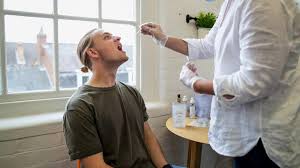
Upon entering a treatment facility or program, the first thing you’ll undergo is a thorough evaluation. This process typically includes:
Medical Assessment: A medical professional will evaluate your overall health, as alcohol can affect multiple bodily systems. This step identifies any underlying health concerns that may need attention during treatment.
Psychological Assessment: Understanding your mental health is equally important. Addiction often coexists with mental health challenges like depression or anxiety, and addressing these can improve the overall effectiveness of treatment.
Personalized Treatment Planning: The information gathered during the assessment helps create a personalized treatment plan tailored to your unique needs.
Step 3: Detoxification (Detox)
Detox is a critical first phase of treatment where your body eliminates the alcohol you’ve been consuming. This process can be challenging, as withdrawal symptoms often occur. Some common symptoms include nausea, headaches, insomnia, and in severe cases, seizures or delirium tremens (DTs).
Medical supervision
Detox at a licensed Virginia treatment facility ensures a safe environment. Healthcare providers monitor your health around the clock, provide medications to ease withdrawal symptoms if necessary, and ensure you remain stable throughout the process.
Step 4: Rehabilitation (Rehab)
Once detox is complete, you’ll transition into the rehabilitation phase. Rehab is where the heart of recovery happens, focusing on addressing the root causes of addiction and developing tools to maintain sobriety.
Types of rehab programs
Inpatient Programs: These provide 24/7 support and a structured environment, making them ideal for individuals with severe addictions or those requiring intensive care.
Outpatient Programs: These allow you to live at home while attending scheduled therapy and treatment sessions. They’re more flexible but require a strong commitment.
Therapy sessions
Rehab often includes evidence-based therapies such as:
Cognitive Behavioral Therapy (CBT) to help identify and change harmful thought patterns.
Group Therapy to build connections with others facing similar challenges.
Family Therapy to rebuild strained relationships and establish a strong support system.
Step 5: Aftercare and Ongoing Support
Recovery doesn’t end when rehab does. Long-term sobriety requires ongoing support, often referred to as aftercare.
Aftercare options
Sober Living Homes: Some individuals transition to sober living communities, where they can practice healthy habits in a structured yet independent setting.
Support Groups: Groups such as Alcoholics Anonymous (AA) provide peer support and accountability.
Continued Therapy: Regular visits with a counselor or therapist can help you cope with challenges and continue your personal growth.
Building a support network
Virginia offers various resources, including community programs and accessible support groups. Leaning on these resources can prevent relapse and reinforce your commitment to sobriety.
Step 6: Building a New Lifestyle
Lastly, recovery involves creating a lifestyle that aligns with your goals and values. This might include:
Adopting healthy habits, such as regular exercise and a balanced diet.
Finding new hobbies or pursuits to fill the time previously consumed by drinking.
Reconnecting with friends and loved ones who support your sobriety.
Celebrating milestones
Every day in recovery is an accomplishment. Celebrate milestones, both small and large, to remind yourself of how far you’ve come.
Taking the First Step in Virginia
Alcohol addiction may be challenging, but effective treatment programs in Virginia offer the support, structure, and tools needed for a successful recovery. By understanding what to expect each step of the way, you can approach your treatment journey with confidence and hope.
If you’re ready to take the first step, research local treatment facilities, reach out to a trusted professional, or confide in someone you trust. Recovery is within reach, and the sooner you begin, the sooner you can reclaim your life.